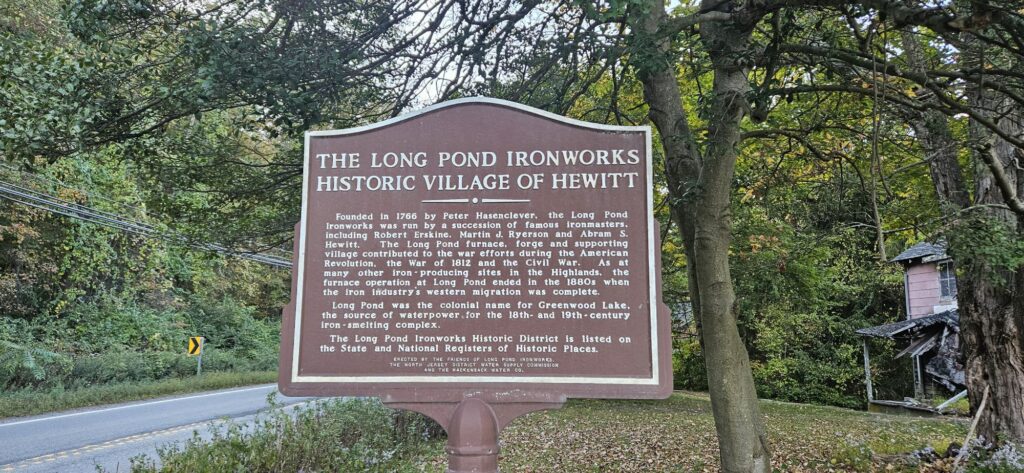
Located next to the popular Monksville Reservoir and along the major Greenwood Lake Turnpike, Long Pond Ironworks is a relatively unknown historic district in West Milford. Located in an area that was shaped by mining, Long Pond Ironworks was part of one of the many mining operations in northern Passaic County. The ironworks came online back in 1765 and operated for almost 120 years until 1882. The ironworks created iron using the power of the Wanaque River and mined magnetite ore to create iron, including for use in the Revolutionary War. Today, visitors are free to walk through the historic site and see the remains of the former village and some ironmaking structures, including a pair of water wheels and blast furnaces. Continue reading to learn about this little-known site in West Milford.
Long Pond Ironworks State Park
Parking: 1334 County Rd 511, Hewitt, NJ 07421
Price: Free
Map: Paper map of historic district available on site; full map
Other Attractions: Monksville Reservoir, Jungle Habitat
Background
Long Pond Ironworks is a historic district in West Milford located between Greenwood Lake (Long Pond) and Monksville Reservoir. The ironworks were formed in 1765 by Peter Hasenclever, utilizing the power of the Wanaque River and local magnetite ore to create iron products. The ironworks shut down in 1882, and the property was donated to the State of New Jersey in 1957. In 1987, the property was dedicated as a state park.
In 2024, the 5,000-acre Jennings Creek Wildfire came dangerously close to the site. While the historic district was spared, much of Long Pond Ironworks State Park, Tranquility Ridge County Park, and Sterling State Forest in New York were damaged. Damage visible from a short walk across the Wanaque River on the Highlands Trail show just how close the fire was to destroying the historic site.
Exploring the Ironworks
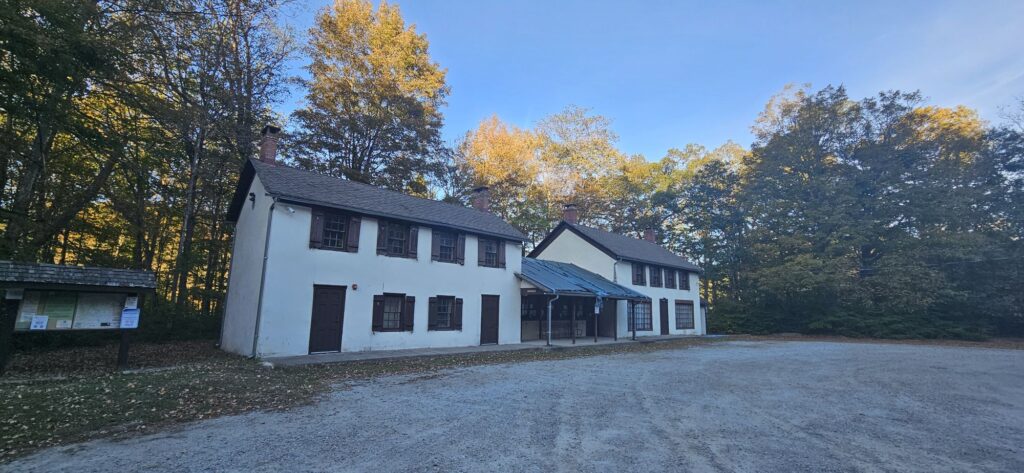
The visitor center is open Friday-Sunday during peak season. During the shoulder seasons of April, May, September, and November, the visitor center is occasionally open on Saturdays and Sundays, as well as for special events. If the visitor center is closed, brochures for self-guided tours are available outside. The visitor center features a small museum on the ironworks. The building the visitor center is housed was once known as the Ye Olde Country Store.
The best way to explore the property is by picking up one of the self-guided tour brochures from the visitor center. This is because while some locations do have informational signs, most are either damaged or dirty beyond readability. A full tour of the property is about a mile walk.
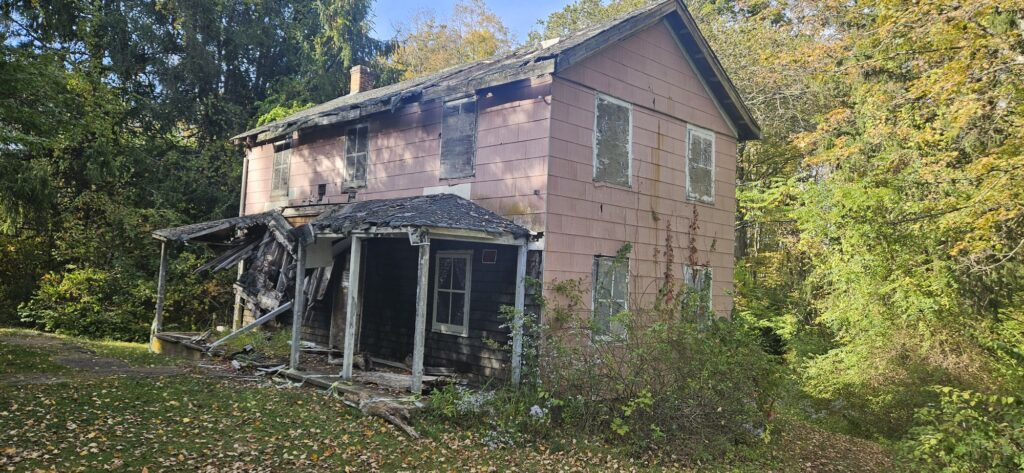
From the visitor center, the first building is the Sommers Stites House. Unfortunately, this house does not give a good first impression of the property and is arguably in the worst shape on the entire property. To make matters worse, this is one of the few buildings visible from Greenwood Lake Turnpike. As someone who travels past the property often, the Sommers Stites House seems to be in worse condition every time I pass by it.
Past the Sommers Stites House, you will come upon the Laird-West House, which is in better condition. You will then come upon a small field with three other historic houses: the Ward-Ryerson-Patterson House, the Harty-Milligan House, and the Whritenour House, as well as a small garden. The Ward-Ryerson-Patterson House and the Whritenour House were both relocated to their present location in the 1980s as a result of the construction of Monksville Reservoir.
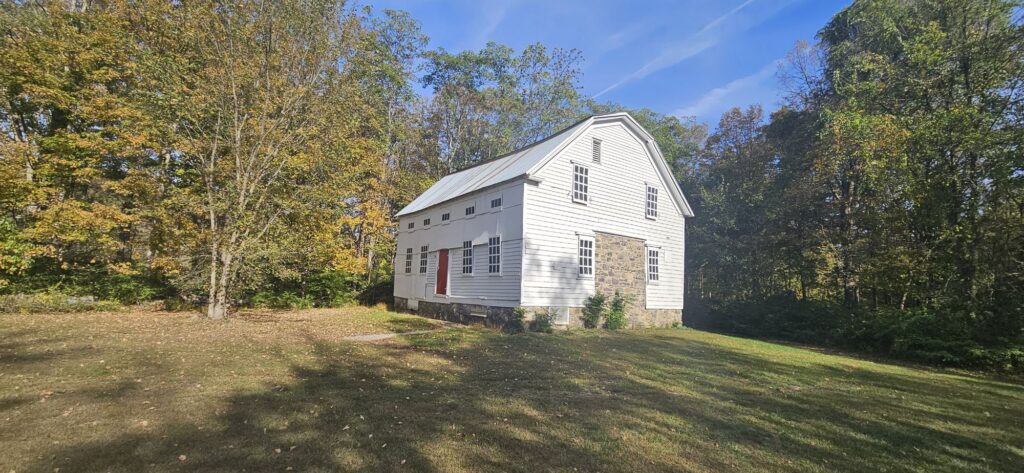
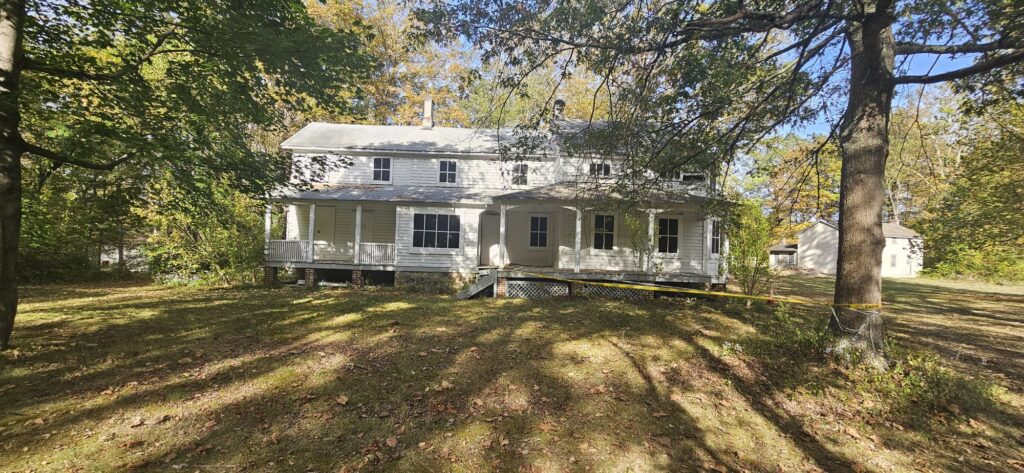
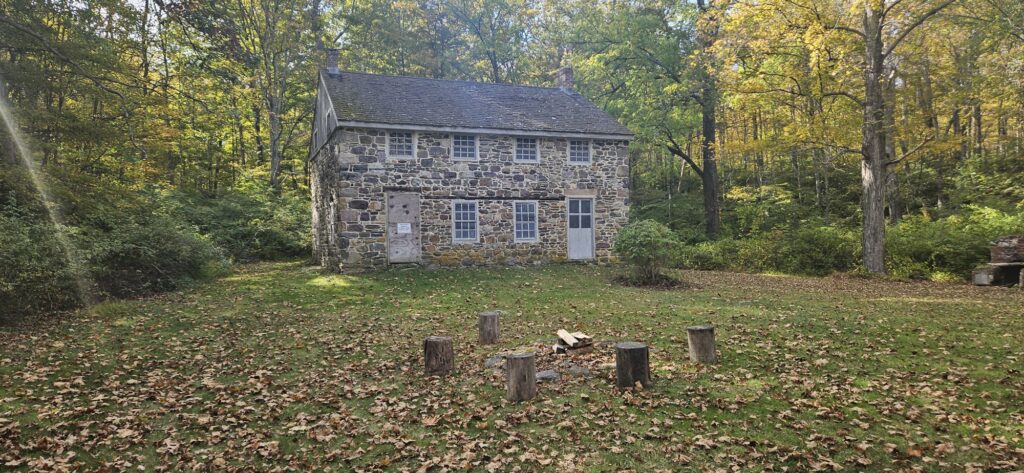
Past the three houses, the trail dips into the woods into another small field. To the left, you will find the Stone Double House, which is the oldest standing building on the property, dating to the Revolutionary War. To the right, you will find a replica mule barn.
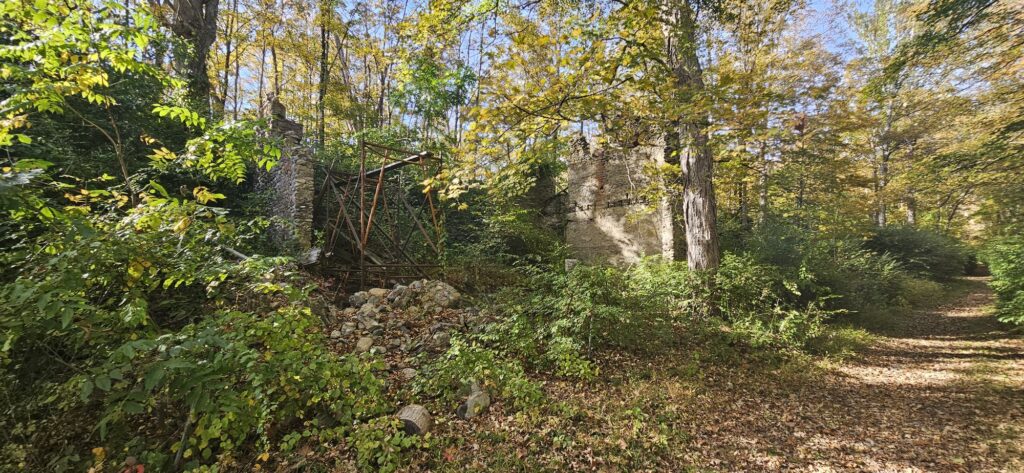
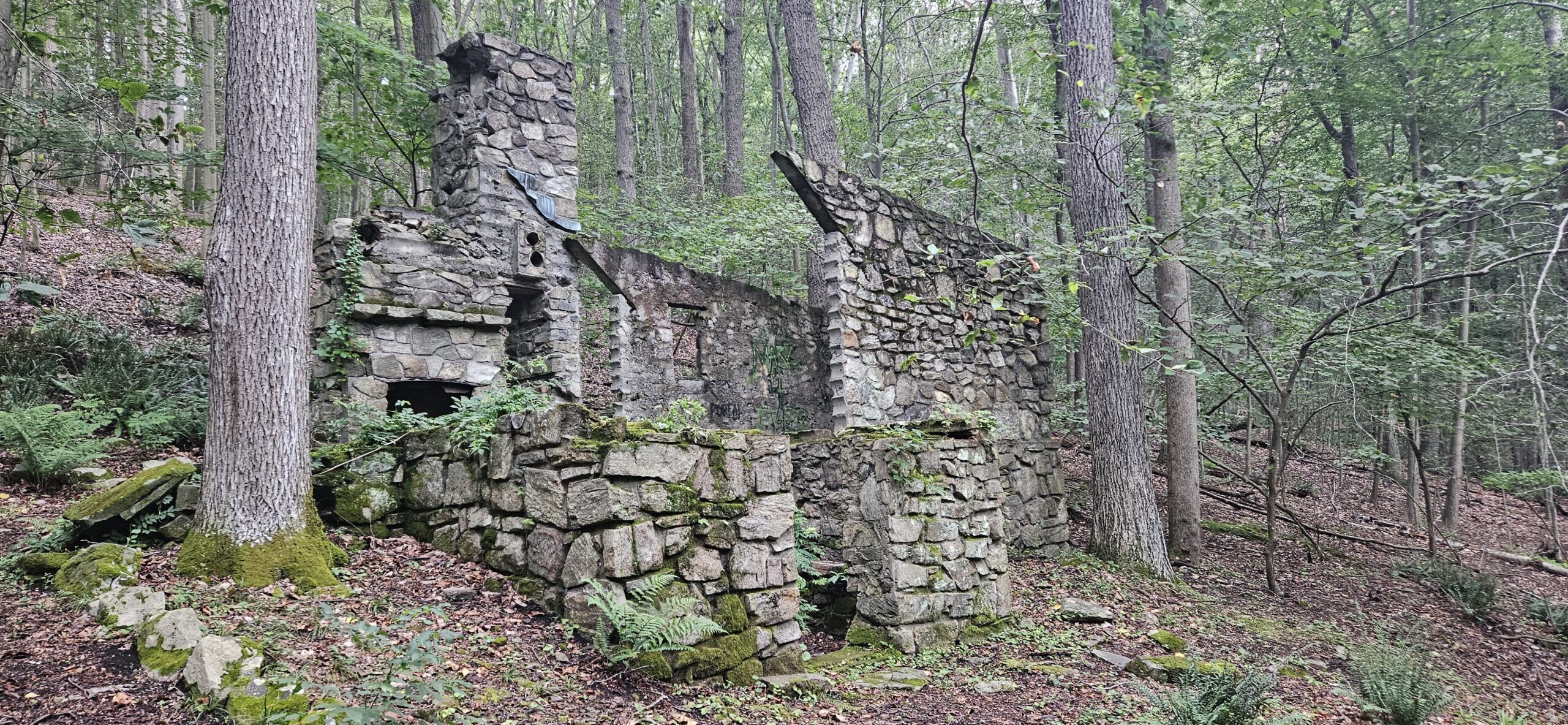
The trail then crosses over a small bridge over Owl Peak Brook. The trail continues forward before reaching a fork. To the left are the ruins of the company store.
Continue following the trail past the company store where you will then reach the ice house. The ice house was used to store ice in the summer that was harvested from nearby ponds in the winter.
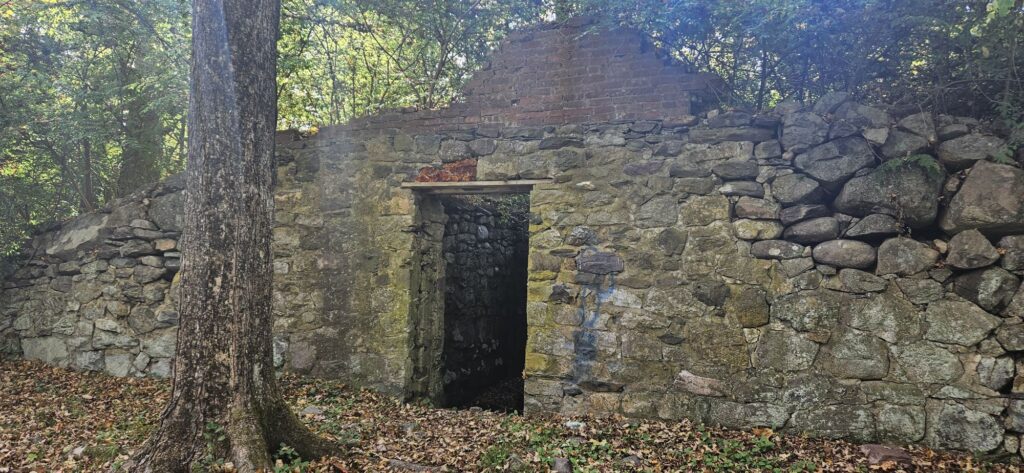
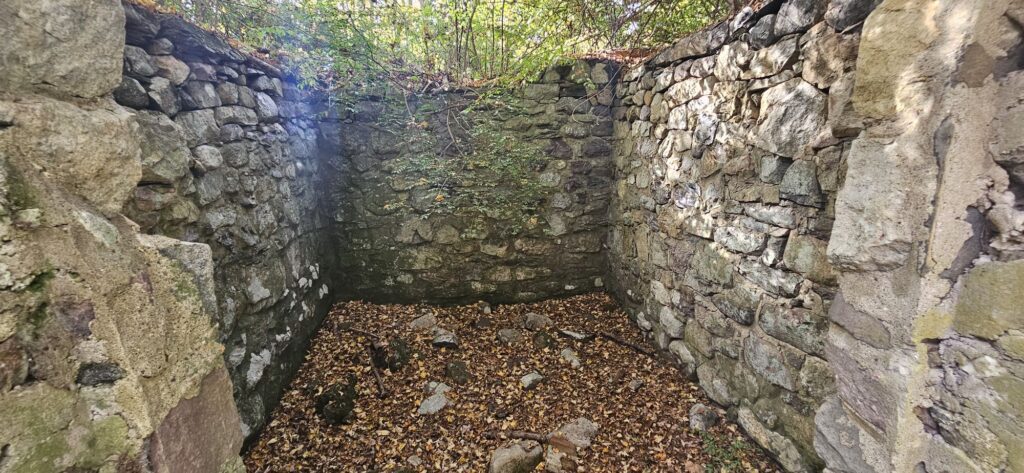
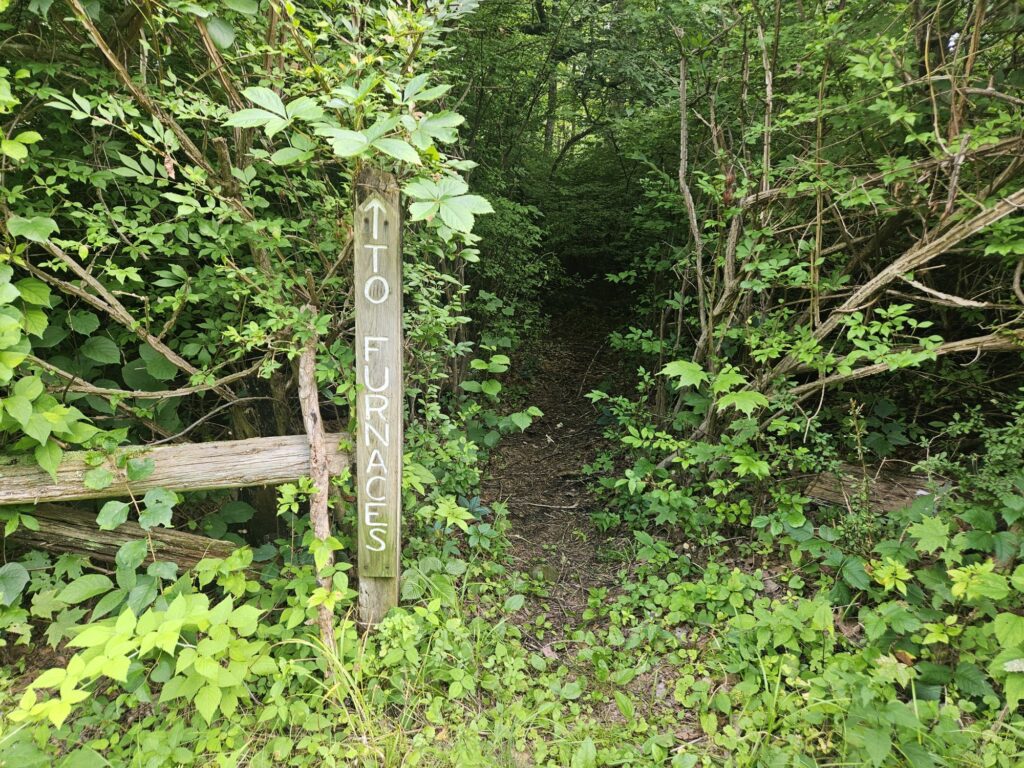
The trail then works its way through the woods. You will find a small clearing above the site of the furnaces, but you cannot see anything from the clearing. There is a small sign directing you to the furnaces here. Ignore this sign, the trail is steep and very overgrown. You will pass by the furnaces later.
Past the first overlook, you will also soon see an observation platform to the right. Once again, there is no view from this location.
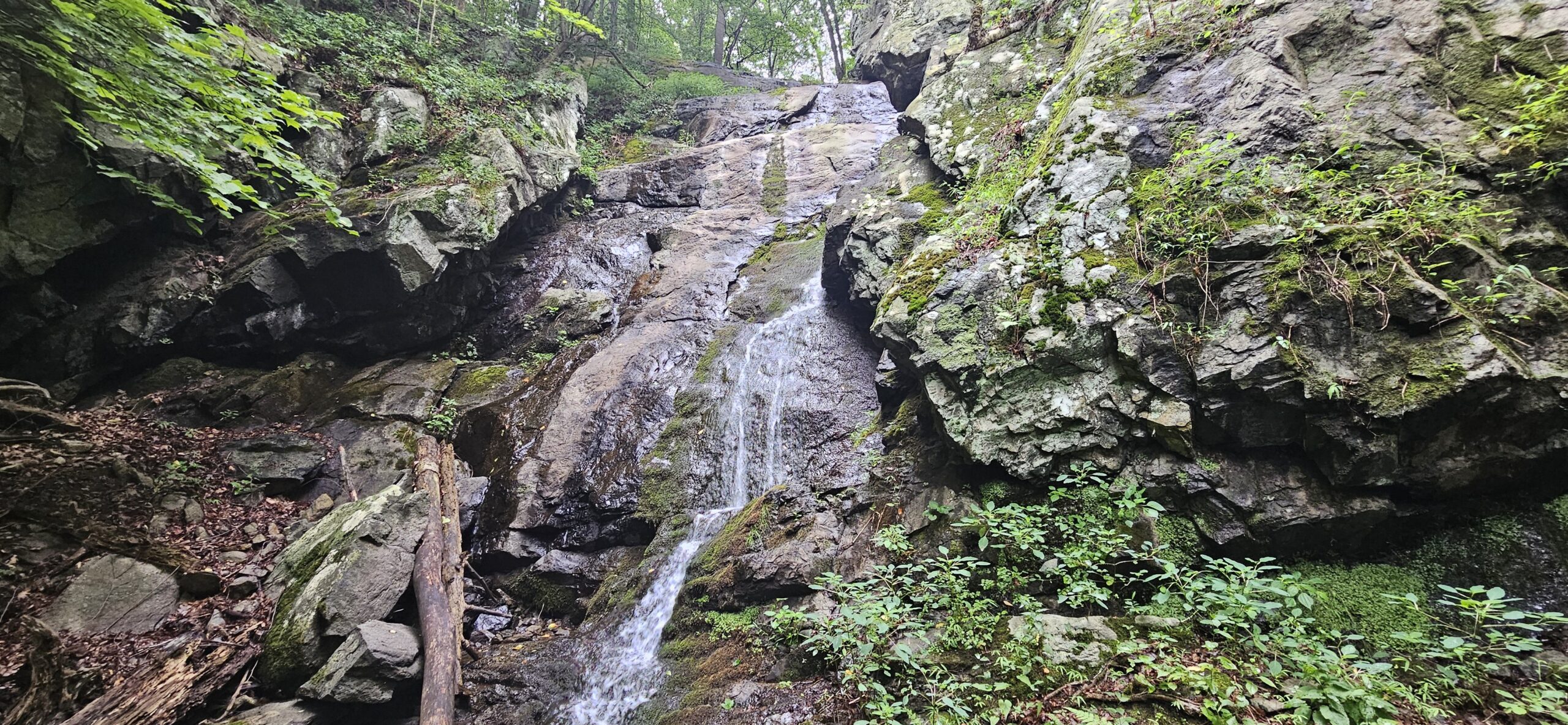
The trail then turns to the right and passes by the ruins of a small raceway used to carry water from Mine Hole Falls to waterwheels, which will be seen in just a moment. Mine Hole Falls is currently closed due to multiple drownings, and there are many signs posted as such.
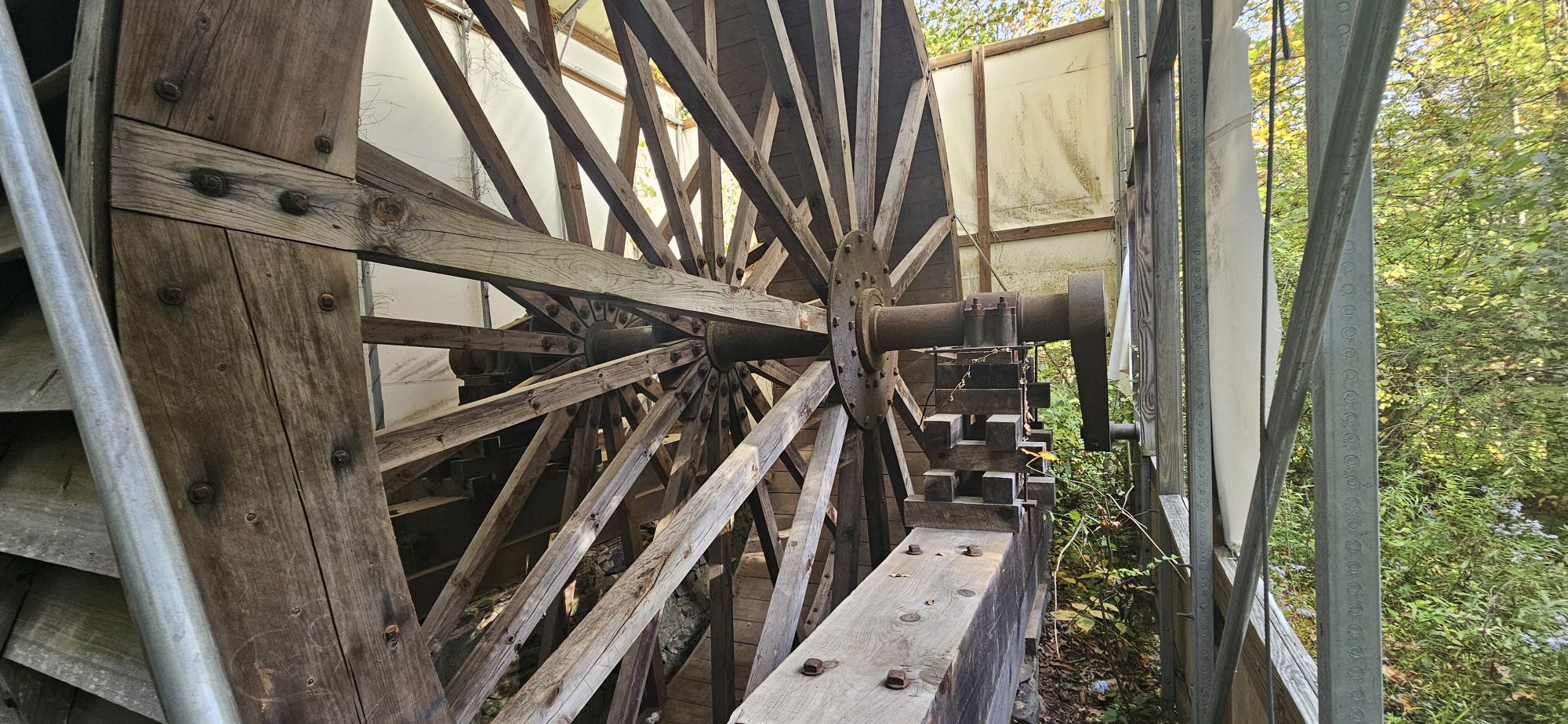
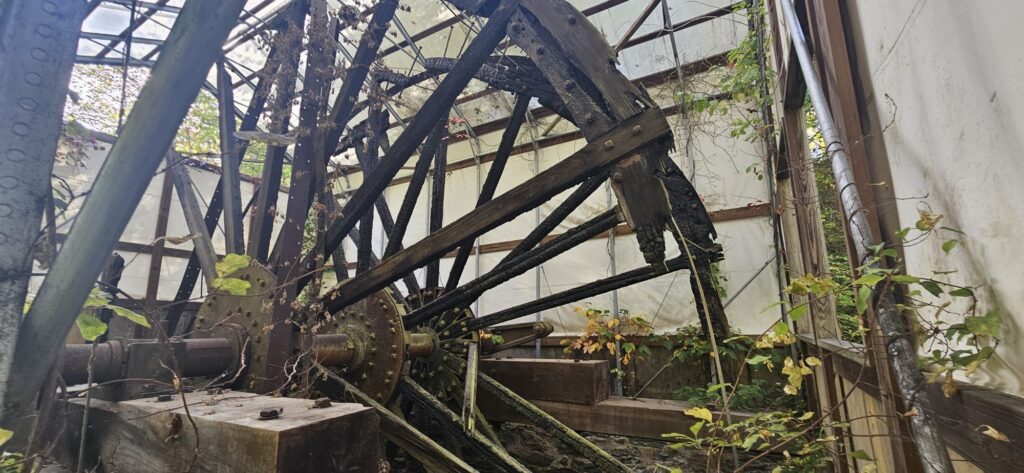
The trail then becomes rocky as it travels along a thin passage next to a stone wall before reaching a pair of 50-foot water wheels. The water wheels are currently covered for protection, but visitors are still able to see the massive structure. Both wheels were burned in 1957 by vandals. You can still see the charred remains of one of the wheels. The other wheel was rebuilt to match the historic structure.
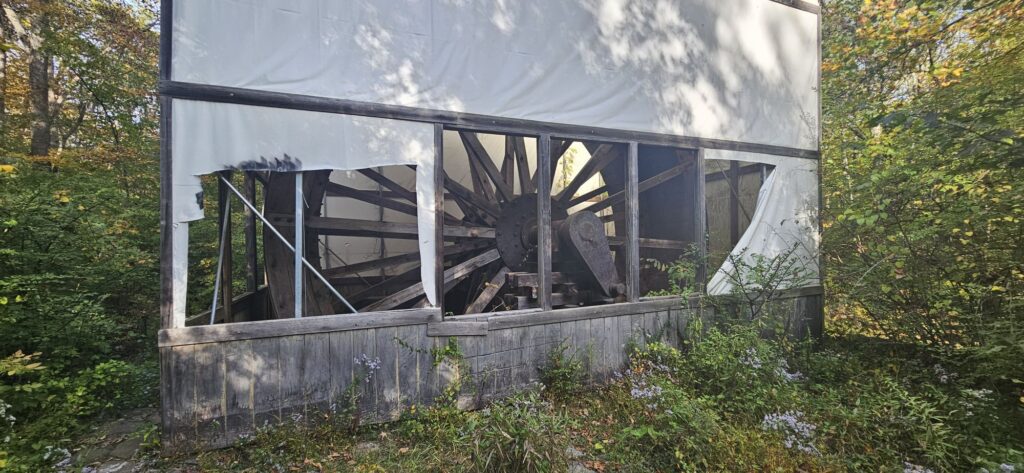
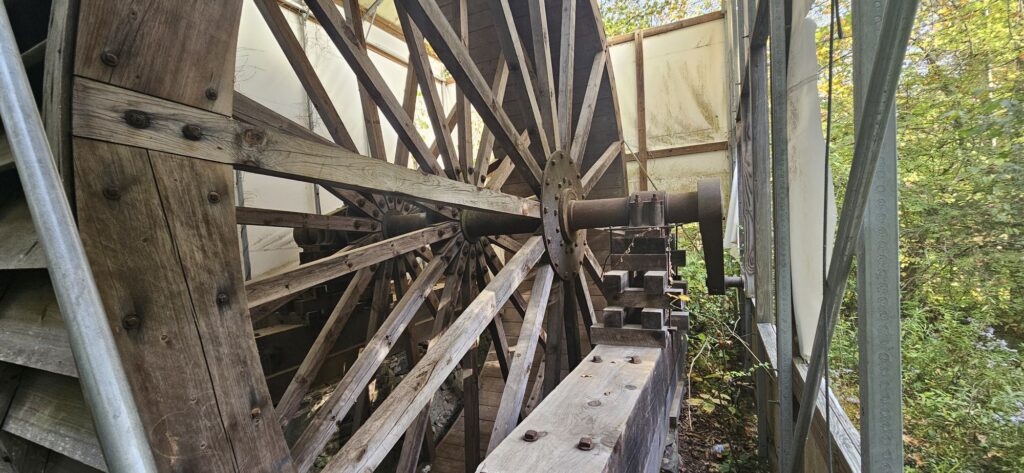
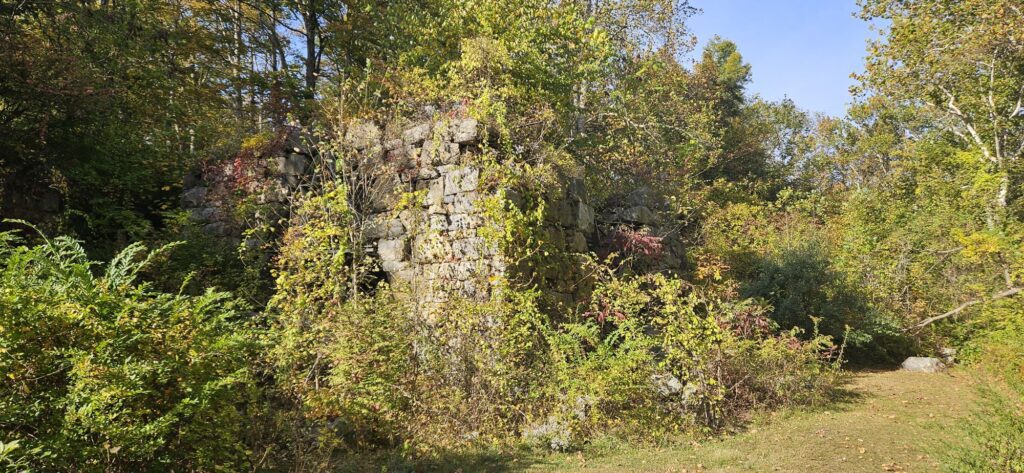
The trail then enters a large clearing. To the right are the ruins of a trio of stone furnaces. Unfortunately, there is not much to be seen today. The furnaces were once 60 feet tall, but are in a varying state of decay, ranging from a pile of stone rubble to an overgrown, but mostly intact structure.
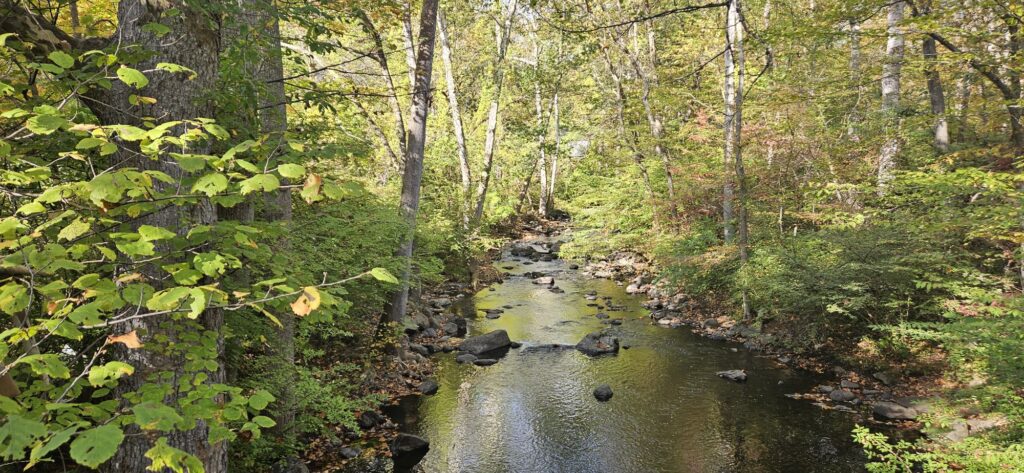
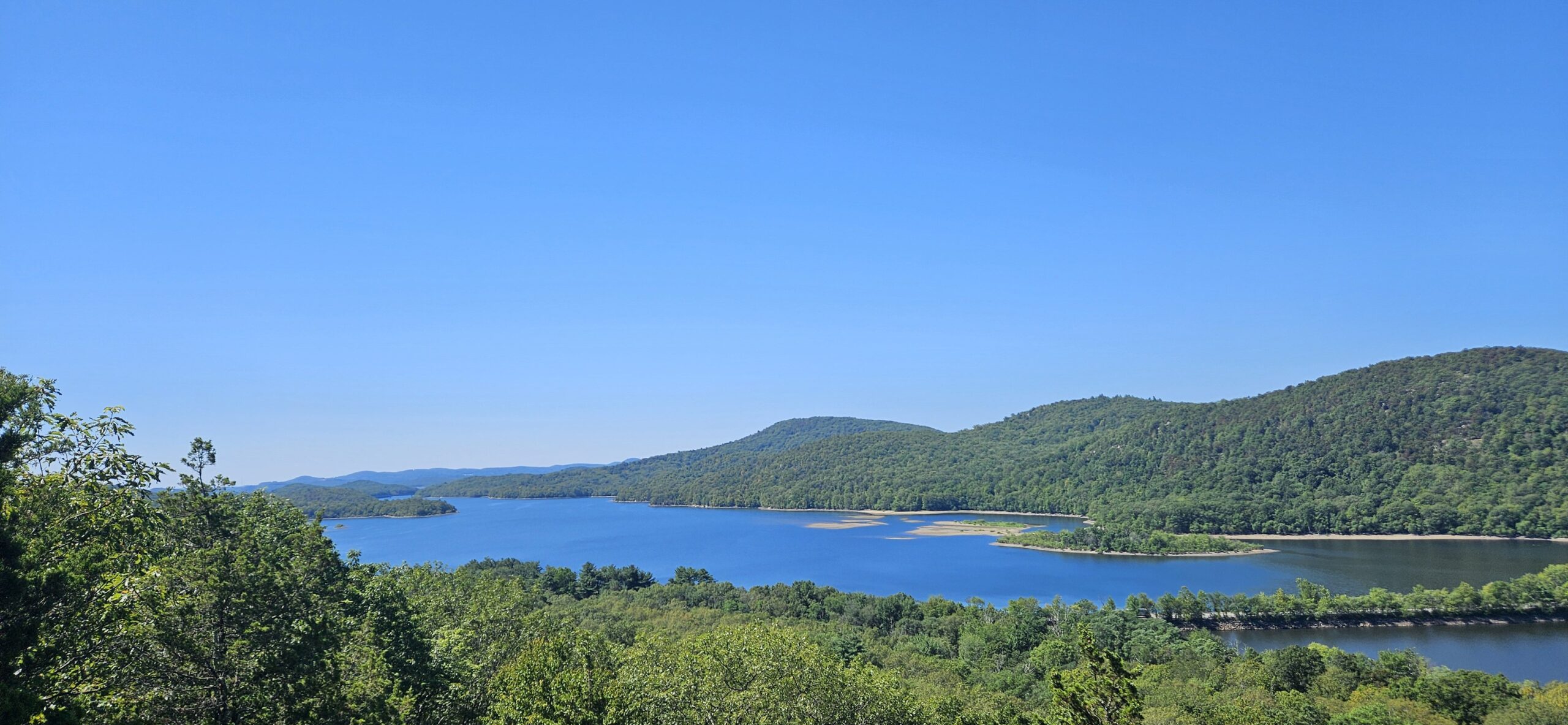
To the left is a bridge over the Wanaque River, which accesses a handful of hiking trails, including the historic Hasenclever Iron Trail. Even if you are not intending on taking a hike, the bridge does offer some scenic views of the river as it spills into the Monksville Reservoir.
If you choose not to hike, simply continue on the main trail without crossing the bridge, where you will soon be brought back to the fork in the trail at the company store. From there, walk back to the parking area and visitor center.
Review
Unfortunately, Long Pond Ironworks has seen better days. While it is expected for historic buildings to be in less-than-perfect shape, many of the structures in the historic district look like they have not seen maintenance in decades, with some buildings literally falling apart. This is apparent from the first buildings reached from the parking lot, which sets a poor, but accurate precedent for the rest of the district. Simple things like signage have not been updated in years, and many signs are unreadable.
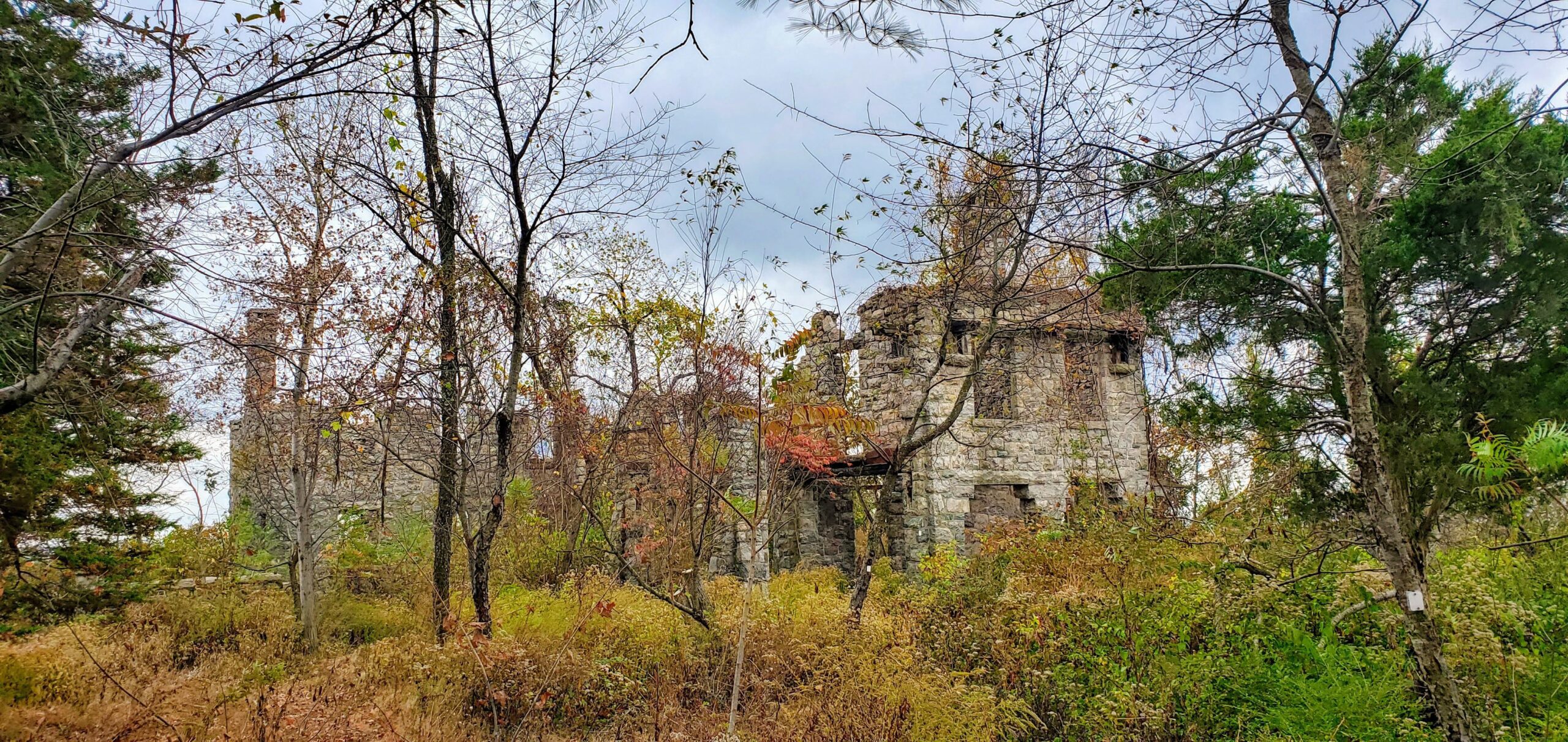
Along the main trail, there are a few overgrown, unmarked trails to seemingly forgotten buildings. These buildings are on the map, such as the Manager’s House and the Van Dunk House, but most visitors would never know they exist, for good reason, as they look more like settings for a horror movie.
Unfortunately, the park is operated by Ringwood State Park. While Ringwood State Park is very nice, that park is also responsible for Ramapo State Forest, Norvin Green State Forest, and Farny State Park. Needless to say, the park is spread thin among all the properties it manages and cannot keep up, especially with the limited budget the State Park Service receives.





Leave a Reply